




By Nick Coston
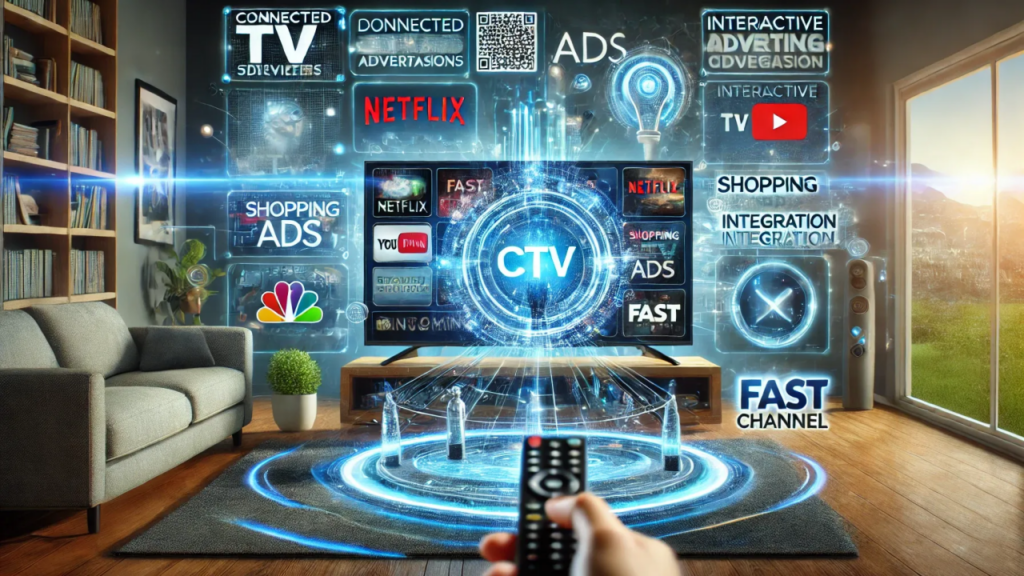
By definition, CTV, or Connected TV, is any internet-connected TV that streams digital video content, including smart TVs, and or older TVs, hooked up to streaming devices. CTV bridges regular, TV with digital, targeted advertising. It works.
Conversely, DOOH, digital-out-of-home advertising, simply uses digital screens in public spaces, inside or out, displaying dynamic ads. Unlike 65% of all OOH, DOOH can change copy, feature video and be updated instantly based on the day, the weather or location. Very flexible if you don’t mind sharing space.
That’s really the difference between OOH and DOOH, the ability to change copy without manual printing and posting. There’s usually no sound on DOOH/OOH either.
So why all the kerfuffle about merging the two? Why does the thought of this crossover style advertising have our industry salivating at the thought of it? One format is in-home and personal while the other, usually much larger format is out of home and public.
In English, one is TV the other is billboards. Different formats, different audiences, different revenues. In 2024, CTV transacted $23.6B, that’s B as in billions. DOOH, when partnered with non-digital OOH came in around $9B. A difference of almost $15B. They are indeed different products, all with their advantages and disadvantages.
TV always wins the revenue war.
But money talks, that’s why DOOH salivates when thinking about snagging CTV bucks. Problem is, they don’t mix. One ruins the other.
Not going to happen. The minute it does, there’s no more DOOH. It becomes all TV.

We can poach advertisers from CTV, that and terrestrial radio are great places to prospect clients. But for CTV to work, it usually needs sound, if not it becomes a silent film. It also needs content, that usually costs money. Nobody is going to have a TV in their house that just plays commercials. Tried that back in the 70’s when booking films for our college theatre, we had a chance to run a series of film trailers, 45 minutes’ worth that one of the studios gave us for free in exchange for favorable film rental rates. No movie, just trailers.
It bombed. Even at $1 per person with free popcorn. Nobody wanted to see just ads running on a screen. Likewise, most DOOH audiences don’t want to see entertainment copy as they are on the move. Nobody watches and it doesn’t help you attract CTV ads. You’re wasting ad/revenue time.
Run advertising only, if not you confuse audiences and harm the paid advertisers.
So why does DOOH try and mix in non-ad content into their rotation, hoping to snag some CTV ad budgets? No one is going to stand on the street, in a bodega or at a liquor store and watch your non-revenue entertainment. It’s a waste of ad space; you’re throwing cash away. Heck, you’re better off donating space or running PSA’s.
OOH is and always has been pure advertising. No filler, no trivia, no pictures of pretty mountains. OOH/DOOH has been working well just posting ads since the early 1800’s.
Sell that.
Insider’s Note: Nick Coston has been writing opinion pieces for the OOH industry for 10 years now. His weekly pieces also appear on Substack where you can view the last 2 years worth. Full-time, Nick is the VP, Sales and Sales Strategies for Moving Walls, the Singapore based media and ad tech giant, here in The America’s.
If you are interested, here is Nick’s Substack LINK
To receive a free morning newsletter with each day’s Billboard insider articles email info@billboardinsider.com with the word “Subscribe” in the title. Our newsletter is free and we don’t sell our subscriber list.
Paid Advertisement